Quick answer: compare small office fan suppliers against the same written project brief. A useful comparison covers the exact model, battery configuration, performance requirements, customization, packaging, required documents, inspection points, quantity and delivery destination.
Start with a comparable product brief
Supplier quotations are difficult to compare when each company is pricing a different configuration. Define the intended use, target market, quantity, charging method, required functions, branding and packaging before requesting commercial terms.
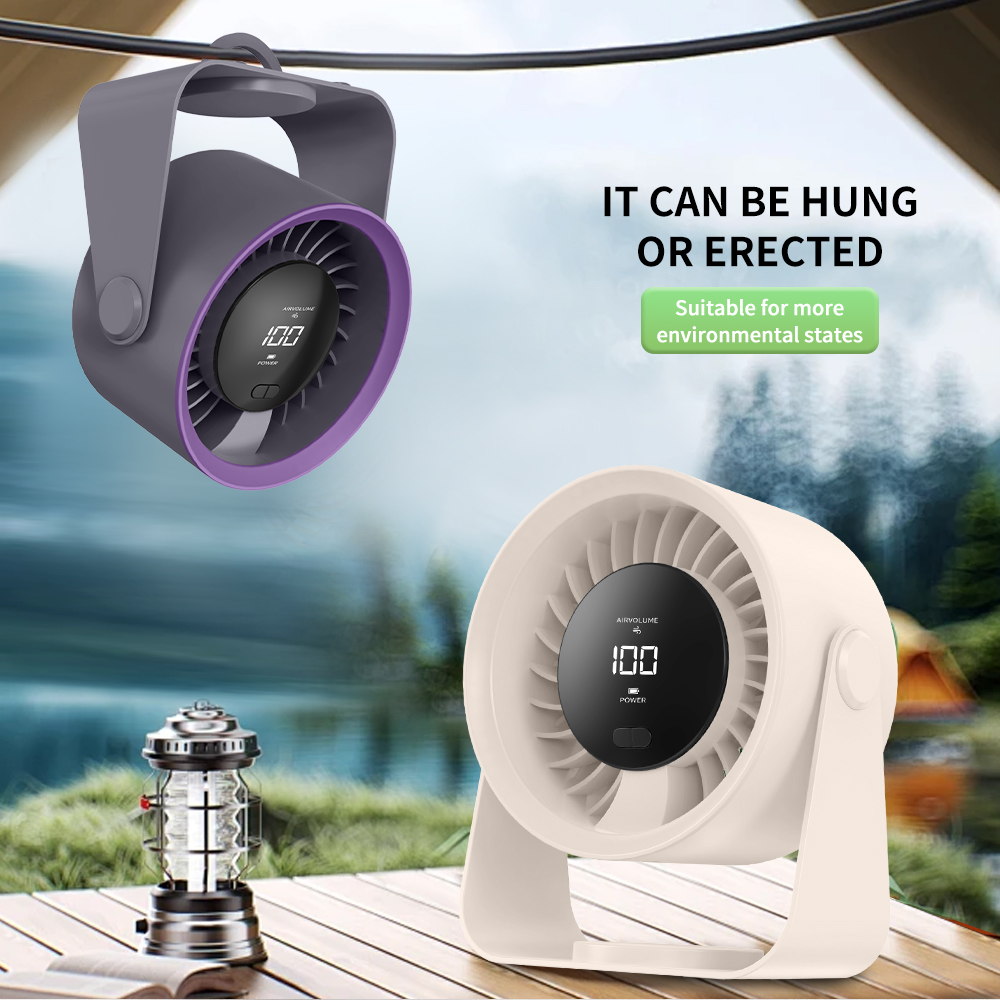
Review current desktop fan formats and include the closest model URL or reference image in the inquiry.
Confirm the supplier’s role and project scope
Ask who owns the product design, where the selected model will be produced and which party coordinates sampling, artwork, production and export communication. The answer may differ by model, so record it in the project file instead of relying on a general company statement.
Compare specifications line by line
- Fan dimensions, materials and available colors
- Battery cell, capacity, charging input and connector
- Airflow settings, oscillation and other functions
- Product weight, accessories and retail package
- Master-carton quantity, dimensions and gross weight
Request clarification wherever a value is described as optional, approximate or dependent on configuration.
Use samples to define acceptance criteria
A sample should be reviewed against a written checklist. Confirm appearance, controls, charging, runtime test conditions, noise expectations, stability, moving parts and package contents. For customized projects, retain an approved reference sample and artwork as the production benchmark.
Check documents against the exact configuration
Do not treat a generic certificate list as proof for every model. Match reports and battery documents to the selected fan, cell configuration and destination market. The importer should confirm which declarations, labels, manuals and test reports are required before production.
Review customization and packaging separately
Logo method, color matching, artwork, manuals, labels and packaging can each affect MOQ, sampling time and cost. Use the pricing and MOQ guide to prepare these details before comparing quotations.
Compare the commercial offer
Record what is included in the quoted unit price, the trade term, sample charge, artwork or tooling cost, production timing, inspection arrangement, payment milestones and quotation validity. A lower headline price is not necessarily comparable if the specification or package is different.
Make the next supplier review actionable
Use the buyer-confidence checkpoints to structure the review. When you are ready, send the model, quantity, market and customization scope through the portable fan quotation form.